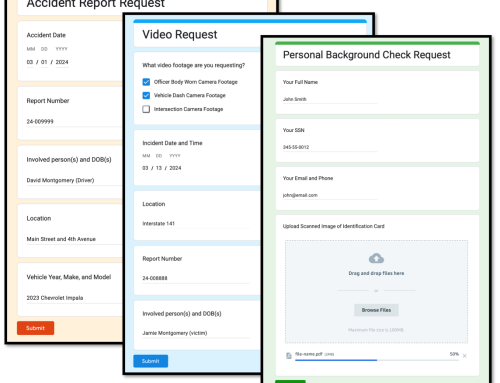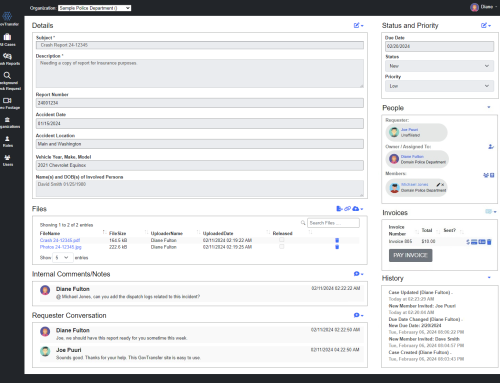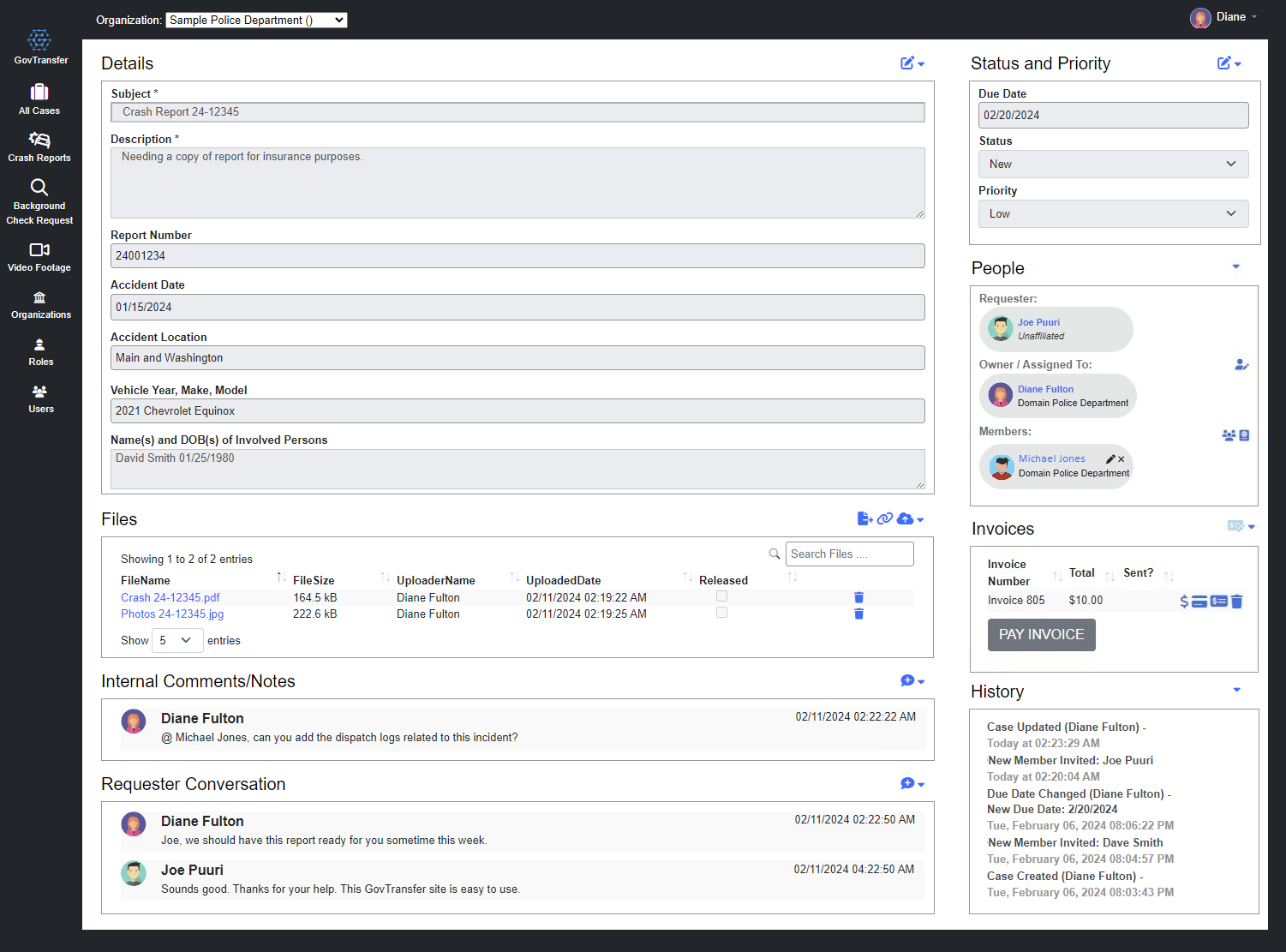
In today’s digital environment, agencies and organizations rely heavily on data to make informed decisions, improve operations, and deliver better services. Whether in government, healthcare, public safety, finance, or enterprise environments, departments often need to exchange information quickly and accurately.
This growing demand has made inter-agency data transfer solutions an essential part of modern operations.
However, sharing data across agencies is not as simple as sending files from one system to another. Organizations must ensure that data transfers are secure, compliant with regulations, and designed to support effective collaboration. A strong inter-agency data transfer strategy helps reduce risks, improve transparency, and enable seamless communication between departments.
Why Secure Inter-Agency Data Transfer Matters
Inter-agency data transfer involves the movement of information between different organizations, departments, or systems. This may include transferring records, reports, analytics, operational updates, or confidential information. In many industries, timely access to shared data can significantly improve decision-making and service delivery.
Despite its importance, many agencies face challenges when exchanging information. Different systems, incompatible technologies, and isolated databases often create barriers to efficient communication. When agencies operate in silos, important information may be delayed, duplicated, or inaccessible.
Security is one of the biggest concerns in inter-agency data sharing. Sensitive information such as citizen records, financial data, healthcare files, or law enforcement details can become targets for cybercriminals. Unauthorized access, ransomware attacks, and accidental data leaks can damage public trust and create operational disruptions.
Secure data transfer solutions help organizations reduce these risks by protecting information during transmission and storage. By implementing reliable security controls, agencies can ensure that only authorized users access data and that information remains accurate, confidential, and protected.
Another key factor is interoperability. Agencies often use different software platforms and infrastructures. Modern inter-agency solutions are designed to connect these systems, allowing data to move efficiently across departments without sacrificing security or functionality.
Security and Compliance Frameworks for Inter-Agency Data Sharing
Security and compliance are the foundation of any successful data transfer solution. Organizations must build frameworks that protect sensitive information while meeting industry and legal requirements.
One of the most important security practices is encryption. Encryption converts readable information into coded data that can only be accessed using approved credentials or decryption keys. End-to-end encryption ensures that data remains protected while traveling between agencies, reducing the risk of interception.
Access control is another critical component of secure data transfer. Not every employee or department should have unrestricted access to shared information. Role-based access controls allow organizations to assign permissions according to responsibilities. This approach minimizes insider risks and helps maintain data integrity.
Identity management and authentication tools also play an important role. Multi-factor authentication, secure login protocols, and user verification systems add additional layers of protection. These safeguards help confirm that users accessing sensitive information are legitimate and authorized.
Compliance is equally important in inter-agency data sharing. Different industries must comply with regulations that govern how information is stored, accessed, and transferred. For example, healthcare organizations may need to follow HIPAA requirements, while agencies handling personal data may be subject to GDPR or local privacy regulations.
Maintaining compliance involves more than simply meeting legal requirements. Organizations must also establish strong governance practices. Audit trails, activity logs, risk assessments, and monitoring systems help agencies track data movement and identify unusual behavior.
Data governance provides clear guidelines on ownership, usage, storage, and accountability. When agencies define policies for managing shared information, they create a more transparent and secure operating environment.
By combining encryption, access management, governance, and regulatory compliance, organizations can build trusted data transfer ecosystems that support both operational efficiency and risk management.
Enabling Collaboration Through Modern Data Transfer Solutions
Modern organizations increasingly recognize that secure data sharing is not only about protection — it is also about collaboration. Effective inter-agency communication allows departments to work together, share insights, and respond more efficiently to operational challenges.
Cloud-based data transfer solutions have become popular because they offer scalability, flexibility, and centralized management. Cloud environments enable agencies to access and exchange information securely across locations and systems. Hybrid environments, which combine on-premise and cloud infrastructure, also provide organizations with additional flexibility.
Application Programming Interfaces (APIs) play a major role in enabling interoperability between systems. APIs allow different applications to communicate and exchange information automatically. Rather than relying on manual processes, agencies can use APIs to streamline workflows and improve operational speed.
Automation further strengthens collaboration by reducing repetitive tasks and minimizing human error. Automated data routing, alerts, synchronization, and reporting can improve productivity while ensuring consistent data handling practices.
Breaking down data silos is another important goal of modern inter-agency solutions. When information remains isolated within separate departments, organizations miss opportunities for coordinated action and informed decision-making. Integrated data sharing platforms allow agencies to access shared insights while maintaining appropriate security controls.
Collaboration also depends on trust. Agencies are more likely to exchange information when they have confidence in the security, reliability, and compliance of the transfer platform. Strong governance models, clear communication policies, and transparent accountability measures help build this trust.
As technology continues to evolve, emerging trends such as artificial intelligence, advanced analytics, and zero-trust security models are shaping the future of inter-agency collaboration. These innovations offer organizations new ways to secure data, improve visibility, and optimize information sharing.
Conclusion
Inter-agency data transfer solutions have become essential for organizations seeking secure, efficient, and collaborative operations. As agencies increasingly depend on shared information, the need for reliable data exchange frameworks continues to grow.
Successful data transfer requires more than technical connectivity. Organizations must balance security, compliance, and collaboration to create systems that protect sensitive information while supporting operational goals.
If your organization is looking to enhance secure inter-agency data sharing, streamline compliance, and enable seamless collaboration, contact us today. Our team can help you implement reliable, scalable, and secure data transfer solutions tailored to your operational needs.
Frequently Asked Questions (FAQs)
What is an inter-agency data transfer solution?
An inter-agency data transfer solution is a system or platform that enables secure information exchange between multiple organizations, departments, or agencies.
Why is secure data sharing important between agencies?
Secure data sharing protects sensitive information from cyber threats, unauthorized access, and accidental data exposure while supporting efficient collaboration.
What compliance standards apply to inter-agency data sharing?
Applicable standards depend on the industry and location but may include GDPR, HIPAA, CJIS, ISO standards, and government-specific privacy regulations.
How do modern data transfer platforms improve collaboration?
Modern platforms use cloud technology, APIs, automation, and integrated workflows to enable seamless communication and real-time information sharing.
What features should organizations look for in a secure data transfer solution?
Key features include encryption, access controls, authentication, audit logging, interoperability, scalability, and compliance monitoring.