Organizations today generate and manage more information than ever before. From contracts and invoices to employee records, customer files, financial reports, and compliance documents, businesses rely on accurate and organized information to keep operations running smoothly. As organizations continue to embrace digital transformation, managing these documents efficiently has become a critical part of day-to-day business operations.
Many businesses still struggle with scattered files, paper-based records, duplicate documents, and inefficient filing systems. Employees often spend valuable time searching for information instead of focusing on productive work. For public sector organizations, implementing a government secure file share solution as part of a document management system helps protect sensitive data, improve collaboration, and ensure documents are shared securely across teams.
What Is Document Management?
Document management is the process of capturing, organizing, storing, tracking, retrieving, and securely managing business documents throughout their lifecycle. Rather than relying on paper files or multiple disconnected storage locations, organizations use a Document Management System (DMS) to keep all important information in one secure and easily accessible environment.
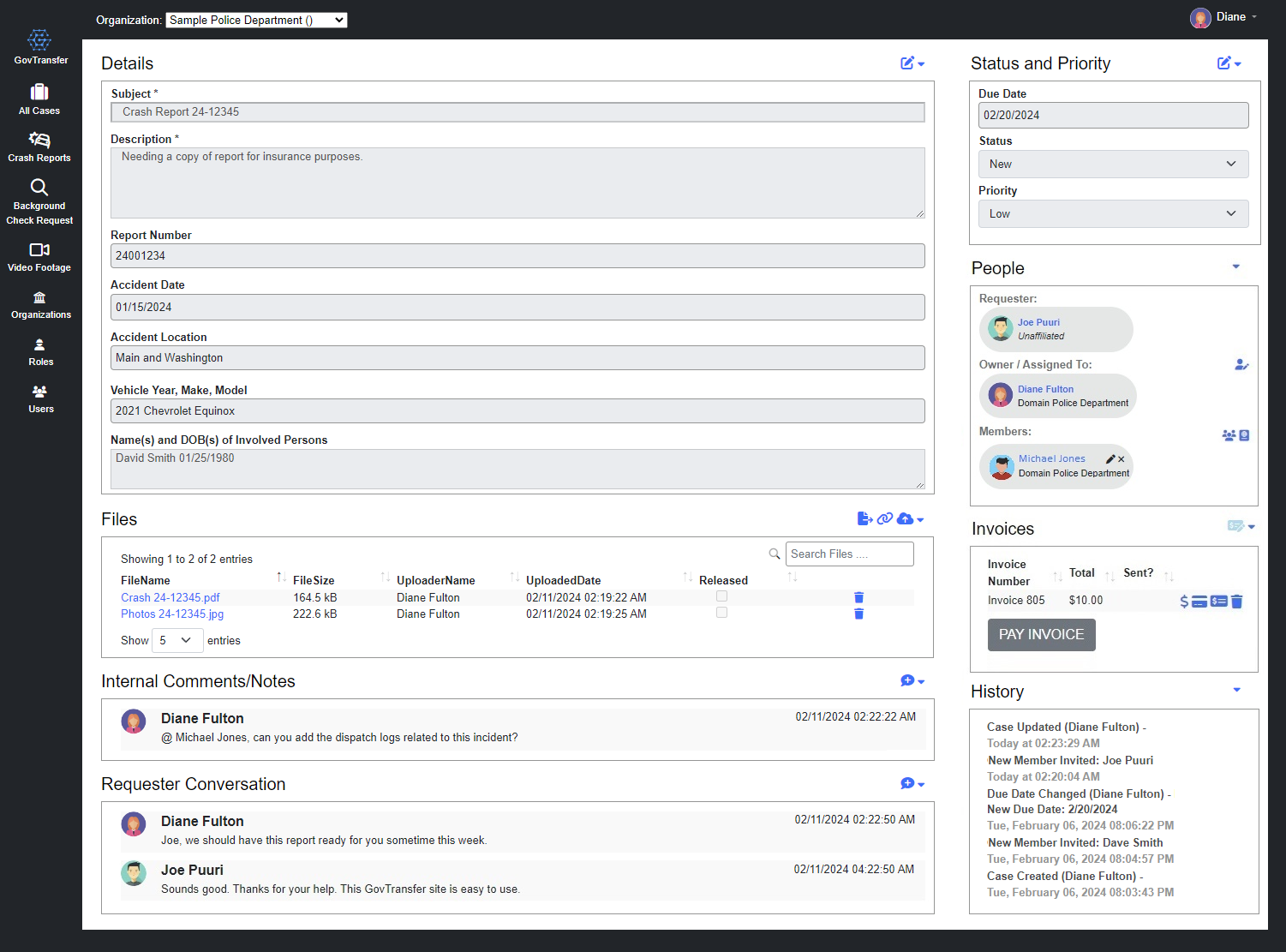
A document management system acts as a central repository where employees can upload, organize, search, edit, and share documents while maintaining proper version control and access permissions. This ensures that authorized users always have access to the most current information without the confusion of duplicate or outdated files.
Modern document management goes beyond simply storing files. It helps organizations create structured workflows that improve collaboration, streamline approvals, and simplify document retrieval. By reducing manual processes and improving accessibility, businesses can work more efficiently while minimizing the risk of lost or misplaced information.
How Does a Document Management System Work?
A document management system is designed to simplify the way organizations handle information. Instead of storing files in multiple locations, documents are uploaded into a centralized platform where they can be categorized, indexed, and accessed by authorized users. When a document is added to the system, it can be organized using folders, tags, keywords, or metadata.
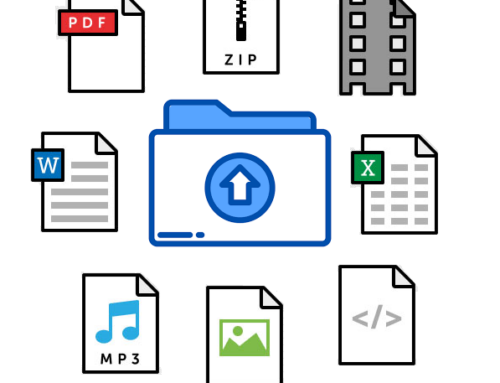
- Digital documents such as PDFs, Word files, and spreadsheets
- Scanned paper records
- Contracts and legal documents
- Employee records
- Customer files
- Financial reports
- Compliance documentation
- Emails and business correspondence
Having all documents stored within one secure system helps improve consistency and reduces the likelihood of important information being lost.
Why Document Management Is Important for Organizations
Managing information effectively has become essential for organizations of every size. As businesses grow, the volume of documents increases rapidly, making manual filing systems difficult to maintain.
A document management system provides the structure needed to organize information while improving operational efficiency across departments.
Improves Productivity and Saves Time
One of the biggest advantages of document management is the amount of time it saves employees.Without a centralized system, staff members often spend valuable time searching through emails, shared drives, filing cabinets, or personal folders to locate important documents.
A document management system allows users to find information within seconds using advanced search tools, keywords, document names, or metadata. This faster access to information enables employees to focus on higher-value work rather than administrative tasks.
Enhances Team Collaboration
Today’s organizations often have employees working across multiple offices or remotely from different locations. Without proper document management, collaboration can become challenging when team members are working with different versions of the same file.
A centralized document management system ensures everyone has access to the latest version of a document. Teams can collaborate more effectively, share files securely, and monitor updates without creating unnecessary duplicates. Version control features also help eliminate confusion by maintaining a complete history of document revisions.
Strengthens Security and Data Protection
Business documents often contain confidential information, including financial records, employee data, legal agreements, and customer information. Storing these files in unsecured locations increases the risk of unauthorized access, accidental deletion, or data breaches.
Common security capabilities include:
- Role-based user permissions
- Multi-factor authentication
- Document encryption
- Activity logs and audit trails
- Secure cloud storage
- Automatic backups
These features help ensure that only authorized individuals can access confidential documents while maintaining accountability for all document activity.
Supports Regulatory Compliance
Many industries operate under strict regulations regarding document retention, privacy, and record management. Healthcare providers, financial institutions, government agencies, and legal organizations must often maintain records for specific periods while ensuring information remains secure and accessible.
A document management system helps organizations comply with these requirements by providing structured retention policies, audit trails, secure storage, and controlled access. Compliance features reduce the risk of penalties while simplifying audits and regulatory reporting.
Key Features of a Modern Document Management System
A modern document management system offers much more than digital storage. It provides organizations with tools that improve efficiency, collaboration, and information security throughout the document lifecycle.
Centralized Document Storage
One of the most valuable features of a document management system is centralized storage. Instead of keeping documents across different computers, shared drives, cloud platforms, and paper files, organizations can store everything within a single secure repository.
Centralized storage offers several benefits:
- Easier document organization
- Faster information retrieval
- Improved collaboration
- Reduced duplication
- Better document consistency
Having one reliable source for business documents ensures employees know exactly where to find the information they need.
Advanced Search and Retrieval
Finding the right document should not require searching through multiple folders. Modern document management systems include intelligent search capabilities that allow users to locate files using keywords, document types, metadata, dates, authors, or custom tags.
This significantly reduces search time and improves overall productivity. Employees can quickly retrieve important information, allowing them to respond faster to customers, complete projects more efficiently, and make informed decisions.
Version Control
Managing multiple versions of the same document can easily create confusion. Without proper version control, different employees may edit separate copies, leading to inconsistencies and costly mistakes.
A document management system automatically tracks document revisions and maintains a complete version of history. Users can review previous versions, identify changes, and restore earlier copies if necessary. This improves collaboration while ensuring everyone works from the most current document.
Access Controls and User Permissions
Not every employee should have access to every document. Modern document management systems allow organizations to assign permissions based on user roles, departments, or responsibilities.
For example, HR records may only be accessible to human resources personnel, while financial reports remain available only to authorized management. This level of control helps protect sensitive information while supporting organizational security policies.
Cloud Accessibility and Secure Backup
Many organizations now operate with hybrid or remote workforces, making secure access to documents from multiple locations increasingly important. Cloud-based document management systems allow authorized users to access files securely from virtually anywhere using an internet connection.
Automatic backups further protect business information by reducing the risk of data loss caused by hardware failures, accidental deletion, or cyber incidents. This flexibility allows teams to remain productive while ensuring important business documents remain secure and available whenever they are needed.
Benefits of Document Management for Different Industries
Every organization handles documents differently, but the need for secure, organized, and easily accessible information is universal. A modern document management system can be tailored to meet the unique requirements of various industries, helping improve efficiency while ensuring compliance with industry regulations.
Government Agencies
Government organizations manage large volumes of public records, permits, applications, contracts, and internal documents every day. Keeping these records organized is essential for delivering efficient public services and maintaining transparency.
A document management system enables government agencies to digitize records, automate document workflows, and retrieve information quickly when responding to public requests. It also supports compliance with record retention policies while reducing the reliance on paper-based filing systems.
Healthcare Organizations
Hospitals, clinics, and healthcare providers handle sensitive patient information that must be stored securely and accessed only by authorized personnel. Document management systems help healthcare organizations organize patient records, medical reports, insurance documents, and administrative files in a secure environment.
Quick access to accurate information improves patient care while supporting compliance with healthcare privacy regulations. By reducing paperwork and streamlining document access, healthcare professionals can spend more time focusing on patient care instead of administrative tasks.
Legal Firms
Law firms rely heavily on accurate document management to handle contracts, case files, legal research, court documents, and client communications. A centralized document management system allows legal professionals to organize files efficiently, track document revisions, and collaborate securely across teams.
Version control ensures that everyone is working with the most up-to-date legal documents, reducing the risk of costly errors. Secure access controls also help protect confidential client information and maintain professional standards.
Financial Institutions
Banks, insurance companies, and financial service providers process large amounts of confidential financial data every day. A document management solution helps organize loan applications, financial statements, compliance reports, and customer records while maintaining high levels of security.
Automated document workflows can speed up approval processes, improve customer service, and reduce manual data entry, allowing financial institutions to operate more efficiently.
Corporate Businesses and Educational Institutions
Businesses across every industry generate contracts, employee files, invoices, project documents, training materials, and internal reports. Educational institutions also manage student records, admissions documents, academic files, and administrative paperwork.
A document management system allows these organizations to centralize information, improve collaboration, and simplify daily operations. Employees and staff members can quickly access the documents they need, reducing delays and increasing overall productivity.
Common Challenges Organizations Face Without Document Management
Organizations that continue relying on paper files or disconnected digital storage systems often experience operational challenges that affect productivity, security, and customer service. Understanding these challenges highlights why document management has become an essential investment.
Lost or Misplaced Documents
One of the most common problems is the inability to locate important documents when needed. Whether files are stored in filing cabinets, personal computers, or multiple cloud platforms, disorganized storage can lead to lost documents and wasted time. A centralized document management system eliminates this issue by keeping all files organized and searchable from one secure location.
Duplicate Files and Version Confusion
Without proper version control, employees may unknowingly work on different copies of the same document. This creates inconsistencies, increases the likelihood of errors, and often results in unnecessary duplication. A document management system automatically tracks revisions and ensures that everyone has access to the latest approved version.
Security and Compliance Risks
Sensitive business information requires strong protection. Organizations without secure document management practices face increased risks of unauthorized access, accidental deletion, and data breaches.
A document management system helps reduce these risks through encryption, user permissions, audit trails, and secure backups while supporting compliance with industry regulations.
Inefficient Workflows
Manual document handling often slows down business operations. Employees may spend unnecessary time printing, scanning, emailing, or physically transporting documents for approval. Digital workflows automate many of these processes, allowing documents to move quickly between departments while reducing delays.
Higher Operational Costs
Paper storage, printing, filing cabinets, document retrieval, and manual administration all contribute to ongoing business expenses. Although implementing a document management system requires an initial investment, many organizations reduce long-term operational costs by minimizing paper usage, improving efficiency, and decreasing administrative workloads.
How to Choose the Right Document Management Solution
Selecting the right document management system is an important decision that should align with your organization’s current needs and future growth plans. Rather than focusing only on software features, businesses should evaluate how well a solution supports their daily operations.
Understand Your Organization’s Requirements
Before selecting a system, identify the types of documents your organization manages and how employees currently access, store, and share information. Understanding existing challenges helps ensure the chosen solution addresses real business needs.
Prioritize Security
Since business documents often contain confidential information, security should be a top priority. Look for solutions that provide:
- Role-based access controls
- Data encryption
- Audit logs
- Automatic backups
- Multi-factor authentication
These features help protect sensitive information while supporting compliance with privacy regulations.
Choose a Scalable Solution
As organizations grow, document volumes and business requirements also increase. A scalable document management system can accommodate additional users, departments, and storage without requiring complete system replacement. Choosing a flexible solution helps protect your investment over the long term.
Ensure Easy Integration
Most organizations already use software such as customer relationship management (CRM) systems, accounting platforms, email applications, and enterprise resource planning (ERP) solutions. Selecting a document management system that integrates with existing business tools improves productivity and reduces duplicate work.
Focus on User Experience
Even the most advanced document management system will have limited value if employees find it difficult to use. A user-friendly interface, intuitive navigation, and simple search functionality encourage adoption across the organization and maximize the return on investment.
Why Document Management Is an Investment in Long-Term Growth
Document management is not simply about organizing files—it is about creating a more efficient, secure, and productive organization. As businesses continue to embrace digital transformation, the ability to manage information effectively becomes a competitive advantage.
A modern document management system supports long-term growth by helping organizations:
- Improve operational efficiency.
- Reduce administrative workloads.
- Strengthen collaboration across departments.
- Enhance customer service through faster information access.
- Support informed decision-making with organized data.
- Adapt more easily to changing business needs.
Organizations that invest in document management today are better positioned to scale their operations, respond to customer demands, and remain competitive in an increasingly digital marketplace.
Conclusion
Effective document management has become essential for organizations that want to improve productivity, strengthen security, and streamline daily operations. As the volume of business information continues to grow, relying on paper files or disconnected storage systems can lead to inefficiencies, higher costs, and increased compliance risks.
A modern document management system provides a centralized, secure, and organized approach to handling documents throughout their lifecycle. Contact us today to learn how our document management solutions can help improve efficiency, enhance security, and support your long-term business goals.
Frequently Asked Questions
1. What is a document management system (DMS)?
A document management system (DMS) is software that helps organizations securely store, organize, manage, retrieve, and share digital documents from a centralized platform. It improves efficiency, collaboration, and document security.
2. Why is document management important for businesses?
Document management helps businesses reduce paperwork, improve productivity, protect sensitive information, support regulatory compliance, and enable employees to access documents quickly whenever they are needed.
3. What types of documents can be managed with a document management system?
A DMS can manage contracts, invoices, employee records, financial reports, customer files, legal documents, healthcare records, emails, and many other business documents in both digital and scanned formats.
4. How does document management improve security and compliance?
Document management systems use features such as encryption, role-based access controls, audit trails, secure backups, and version control to protect sensitive information while helping organizations meet industry compliance requirements.
5. How do I choose the right document management solution?
Choose a solution that matches your organization’s needs, offers strong security features, integrates with your existing software, supports future growth, and provides an intuitive user experience that employees can easily adopt.